


Govt. decision to hike fuel prices and VAT sparks road-blocking protests
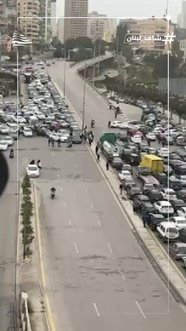
The key Ring highway in Beirut and the vital Khalde road just outside the capital were blocked on Tuesday in protest at the government’s overnight decision to hike gasoline prices by 25% and the Valued Added Tax (VAT) from 11% to 12%.
The government said it made the move in order to fund a wage increase for the public sector and the armed forces equivalent to six times their wages in Lebanese pound in 2019.
Calls were meanwhile circulating on social media for a demonstration in Riad al-Solh Square in downtown Beirut at 6:00 PM.
In a statement, Beshara al-Asmar, head of the General Confederation of Lebanese Workers, declared his "absolute rejection of the fees and taxes imposed yesterday on the people to finance the increases for the public sector, retirees and military personnel."
He said "the government should have sought other sources of funding, rather than granting an increase that is insufficient,” warning that it hits “the working class and the military with further tax burdens that negatively impact all segments of the population."
Al-Asmar also called for "an emergency meeting of the GCLW to discuss the necessary steps to halt the systematic destruction of the working class, given the detrimental effects these increases will have on prices, goods, heating and transportation."
Several other unions also voiced dismay over the government’s decision.
Prime Minister Nawaf Salam, speaking from the port of Tripoli, meanwhile defended the move, saying the government is working to improve the collection of taxes and customs duties, issue collection orders for quarries, and review maritime properties.
"The application of the VAT affects the wealthy," he said: "We were forced to increase the price of gasoline, but we canceled the increase on diesel fuel that affects the poor," Salam added.


