


As this year's U.N. climate talks wrap up in Turkey, negotiators are still debating over how to address global warming, even as warnings are growing that only slashing fossil fuels can avert its most catastrophic effects.
Friday marks the scheduled end of the two-week summit, known as COP31, in the Turkish resort city of Antalya. The talks have so far failed to advance any big ideas on how to move away from fossil fuels — mainly coal, oil and gas — that contribute to disasters such as Europe's deadly heat waves and Nepal's devastating flooding.
 Full Story
In the global power game of U.N. climate talks, tiny islands form a small, but vocal bloc of nations demanding the world act on the climate crisis that threatens their existence.
This year's climate conference is in its second and final week in Turkey's resort town of Antalya. These talks follow months of climate-induced disasters, geopolitical shocks and an intensifying El Niño that is making life in the world's smallest countries even more precarious.
 Full Story
Dozens of American leaders are walking the halls of ongoing U.N. climate talks — as observers with little official power since the U.S. government pulled out of the entire process.
State, local and private officials give advice, spread good will and attend meetings, lots of them. They do not have a chair at the negotiating table. However, at climate talks — called COP31, being held in the Turkish resort town of Antalya — they can convey the message that while the U.S. government may not care about climate change, many Americans do.
 Full Story
A slow-moving storm system dumped heavy rains in South Florida, flooding some streets and homes, closing sections of highways and collapsing the roof of a synagogue Wednesday.
On the West Coast, heavy rain and high winds temporarily grounded planes at San Francisco's airport, disrupted ferry service and flooded roads in Napa County and other wine country areas north of the city.
 Full Story
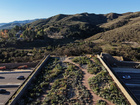
Touring the world's largest wildlife crossing, Beth Pratt stepped carefully through freshly planted native vegetation and held up her hand for silence.
"Hear that? We're listening to birdsong right now, on top of one of the busiest freeways in the U.S.!" a beaming Pratt, one of the project's leaders, said excitedly. "That makes my heart glad."
 Full Story
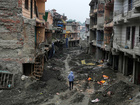
Villagers whose families prayed for generations at a local temple now gather around the mound of dirt where it once stood, unsure whether it will ever be rebuilt. Farmers who once grew rice to feed their families and earn a living now sit in makeshift shelters, wondering if they'll ever own land again.
In Nuwakot and surrounding areas of Nepal, where deadly floods in August washed away entire villages and left thousands dead or missing, life has ground to a halt.
 Full Story
The California coast was pummeled again Sunday by huge waves that inundated beaches, flooded local streets and forced the closure of iconic piers.
The National Weather Service office for the Bay Area warned that surf up to 35 feet (10.6 meters) was possible, along with dangerous rip currents and sneaker waves.
 Full Story
Pope Leo XIV on Sunday demanded justice for environmental defenders killed for protecting the Amazon and backed efforts by Indigenous peoples to stop their lands from being ravaged by logging, illegal mining and the "insatiable thirst for domination."
On the penultimate day of his South American odyssey, Leo traveled into the Peruvian Amazon and channeled one of Pope Francis ' core teachings that links care for the most vulnerable with care for God's creation.
 Full Story
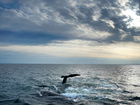
The population of one of the world's rarest whales has fallen after trending upward in recent years, worrying scientists who fear the animal could still be at risk of extinction.
The North Atlantic right whale now numbers 382 animals, according to a consortium of scientists that released its annual population estimate for the animals on Monday. That represents about a 2% decline from last year's estimate, which showed a recent slow but steady climb in the whales' population continuing.
 Full Story
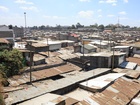
For decades, Mary Okello has lived on the banks of a river in Kenya that floods every rainy season. But forecasts of heavier-than-usual rainfall across East Africa this autumn have sent chills down her spine, reminding her of how she lost all her belongings in 2024.
Okello was working at her hair salon when heavy rains began, forcing her to rush home and evacuate her five children. They watched as their belongings were washed away by water that eventually submerged all the houses in the area.
 Full Story


